Decode Global Eco Labels with Confidence

Today we compare EU Ecolabel, Energy Star, FSC, and Fairtrade, side by side, so you can buy greener and fairer without second‑guessing every logo. We unpack what each mark guarantees, how verification works, where limits appear, and how to apply these insights to everyday choices at home and at work. Expect practical scenarios, clear explanations, and encouragement to share your experiences so our community keeps learning together.

What These Labels Actually Promise

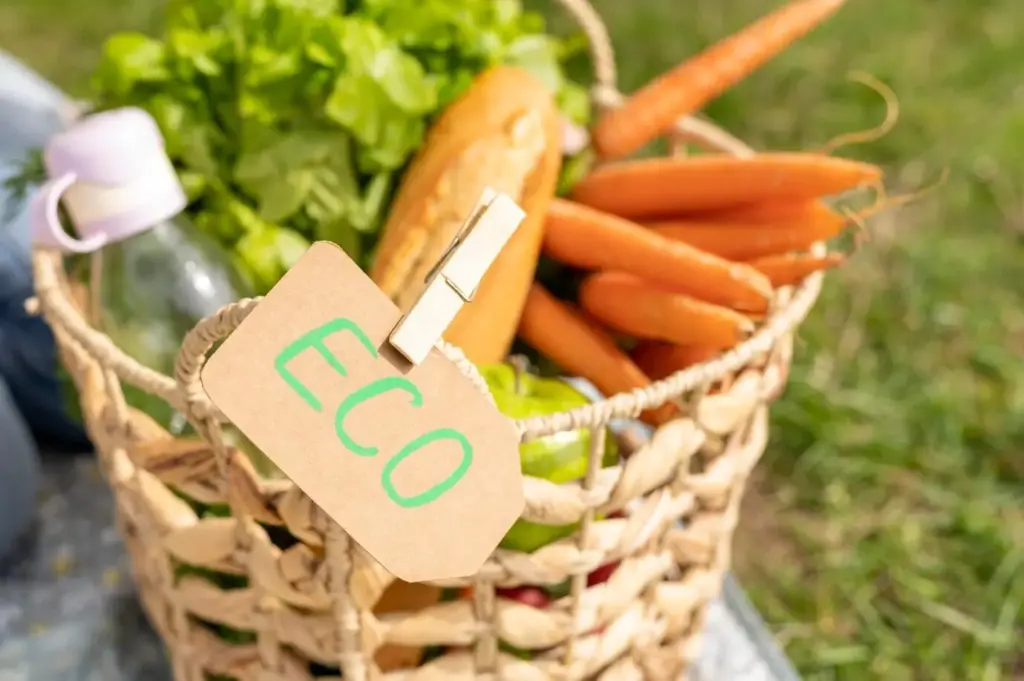
Each logo speaks a different language of impact, spanning energy performance, life‑cycle safeguards, forest stewardship, and equitable trade. By looking beyond slogans to the substance of criteria, testing, and governance, you can understand what benefits are genuinely delivered. This clarity helps you pair the right label with the right purchase, combining environmental outcomes with social benefits in ways that match your values and budget.

How Certification Actually Works

Logos earn their trust through clear standards, credible auditing, and transparent governance. Understanding the mechanics helps you differentiate robust programs from vague claims. Each label uses different conformity pathways, whether laboratory testing, on‑site audits, or documented chain‑of‑custody checks. Criteria are periodically revised with stakeholder input, reflecting new science and market realities. When you know who tests what, how often, and against which benchmarks, your purchasing decisions become more confident and defensible.

Strengths and Trade‑offs You Should Know

No single logo solves every challenge. Some excel at measurable energy outcomes, others at social equity or forest stewardship. Criteria breadth, auditing rigor, costs, and market coverage vary by sector and region. By acknowledging strengths and limits, you can combine labels strategically, avoid over‑promising claims, and stay alert to contextual factors like usage patterns, supply‑chain complexity, or material availability. Real progress comes from informed mixes rather than relying on any one badge everywhere.

Real‑World Shopping Scenarios

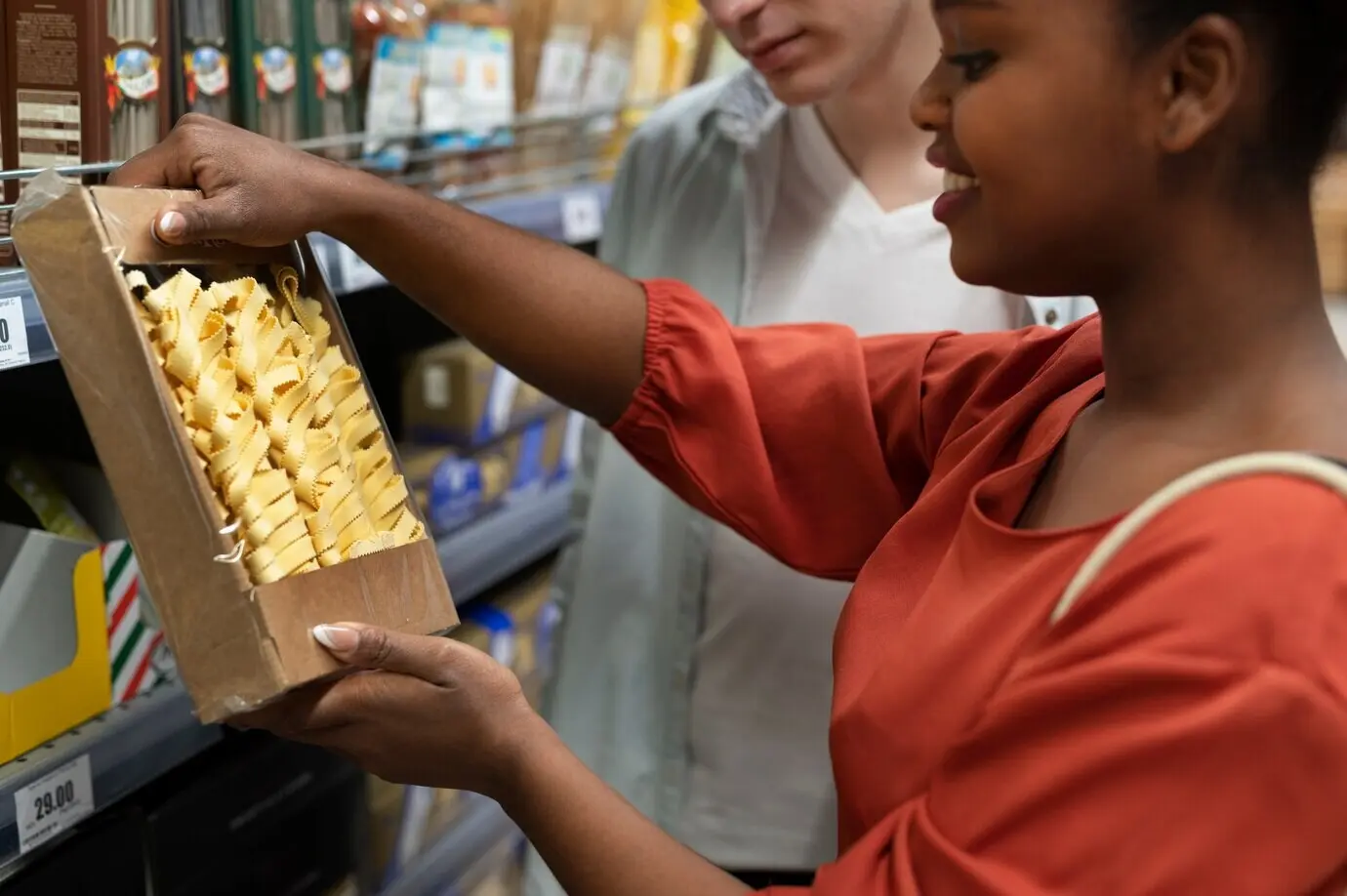
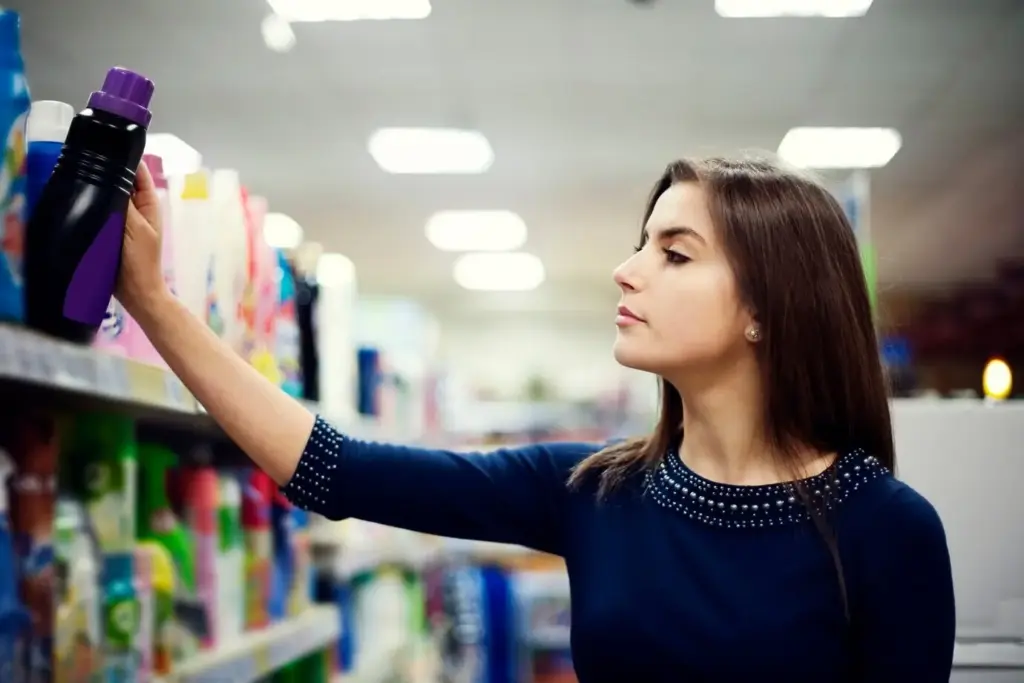
Turning logos into practical decisions requires relatable examples. By walking through common purchases, you can see how to weigh trade‑offs, read specifications, and combine labels. These scenarios emphasize confirmation steps like checking certification IDs, understanding label variations, and considering end‑of‑life options. The goal is confidence: choosing better products today, then sharing your approach so friends, colleagues, and suppliers learn from your experience and help raise the bar across entire categories.

Numbers That Anchor Decisions

While stories connect emotionally, data helps calibrate expectations. Program reports and independent studies document energy savings, certified areas, participating producers, and product group coverage. Figures may vary year to year, but the trend lines illuminate scale and momentum. Use numbers to benchmark personal or organizational impact, set procurement thresholds, and justify investments. The point is not perfection, but a steady shift toward products that keep delivering measurable environmental and social benefits over time.

Your Next Steps

Zirofukoxefuxovopi
Privacy Overview

This website uses cookies so that we can provide you with the best user experience possible. Cookie information is stored in your browser and performs functions such as recognising you when you return to our website and helping our team to understand which sections of the website you find most interesting and useful.